Understanding Projector Installation Basics
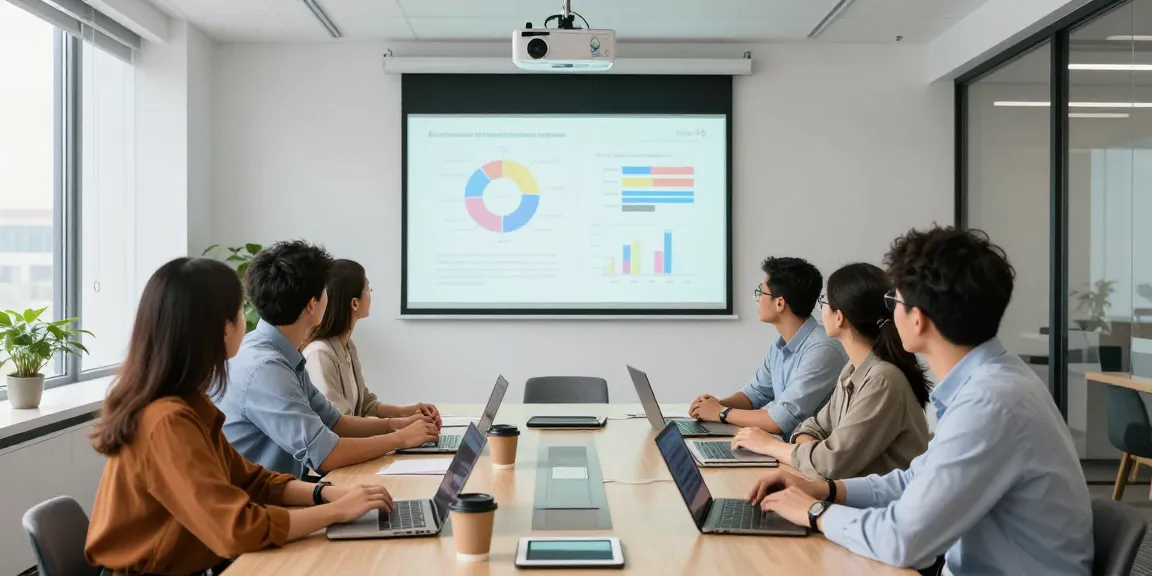
Projector installation is a critical component of modern audiovisual setups, bridging the gap between technology and effective communication. As businesses and educational institutions increasingly rely on visual aids to convey information, understanding the nuances of projector installation becomes essential. Whether you're setting up a boardroom, classroom, or entertainment venue, proper installation not only enhances the quality of presentations but also contributes to a professional atmosphere.
When exploring options, projector installation requires careful planning and execution to ensure optimal functionality and user experience.
What is Projector Installation?
Projector installation involves the design, setup, and calibration of a projector system to meet specific multimedia needs. This process encompasses choosing the right projector type, positioning the device at an appropriate distance from the screen, and configuring it to deliver high-quality images. Additionally, it includes aspects such as mounting and connecting other audio-visual equipment that may be required, thus creating a fully integrated multimedia environment.
Key Components of a Projector System
A complete projector system typically consists of several key components:
- Projector: The core component responsible for displaying images and videos.
- Screen: A suitable surface onto which the projector displays its output, available in various sizes and materials.
- Mounting Hardware: Brackets or ceiling mounts that secure the projector in place.
- Cabling: Cables that connect the projector to a source device (e.g., laptop, media player).
- Control System: Remote controls or touch panels that simplify user interaction with the projector and connected devices.
Common Misconceptions About Projector Installations
Many people assume that installing a projector is a straightforward task. However, several misconceptions can lead to poor performance:
- One Size Fits All: Many believe that any projector will work for any space, but factors like brightness, resolution, and throw distance vary widely by model.
- DIY Is Always Best: While some installations can be handled without professional help, complex setups require specialized knowledge for optimal results.
- Quality Is Subjective: The performance of a projector is often measured by technical specifications that can be difficult to interpret without an expert’s insight.
Choosing the Right Projector for Your Space
Selecting the correct projector is crucial for achieving the desired results in your specific environment. The right choice enhances visual clarity and audience engagement.
Factors to Consider in Projector Selection
When choosing a projector, consider the following factors:
- Room Size: A larger room may necessitate a more powerful projector with a higher lumen rating.
- Lighting Conditions: Ambient light levels can greatly affect projector performance; choose a brighter model for well-lit spaces.
- Resolution: Opt for a projector that supports the resolution of your content—1080p for high-definition video or 4K for ultra-high-definition.
- Connectivity: Ensure the projector can connect to various devices, including laptops, tablets, or smartphones.
- Budget: Balance your needs with your financial constraints, seeking models that provide the best value.
Comparing Different Projector Technologies
Projectors come in various types, each with unique benefits and drawbacks:
- DLP (Digital Light Processing): Known for high brightness and vibrant colors, ideal for presentations in bright rooms.
- LCD (Liquid Crystal Display): Delivers excellent color accuracy and is preferred for detailed image use such as graphics and photographs.
- LED (Light Emitting Diode): Provides energy efficiency and longevity, suitable for portable or lower-usage environments.
- Laser Projectors: Offer exceptional brightness and color performance with reduced maintenance costs, making them increasingly popular for large installations.
Tailoring Solutions to Workspace Needs
Understanding the specific requirements of your workspace allows for tailored projector solutions. Consider factors such as:
- Intended Use: Is the projector primarily for lectures, movies, or presentations?
- Audience Size: The number of viewers can dictate the size and brightness of the projector needed.
- Integration with Existing Systems: How will the projector fit within your current AV infrastructure?
Best Practices for Effective Projector Installation
For a successful projector installation, following best practices ensures optimal performance and longevity of your equipment.
Step-by-Step Installation Process
The installation process generally involves several steps:
- Site Assessment: Evaluate the installation area for size, lighting conditions, and existing connections.
- Selection of Equipment: Choose the projector and additional components based on your assessments.
- Physical Installation: Mount the projector and screens at the appropriate heights and positions.
- Connection: Connect the projector to the source devices and power supply.
- Configuration: Adjust settings for optimal image quality, including focus, keystone correction, and color calibration.
- Testing: Run a series of tests to ensure everything is working correctly.
Common Installation Challenges and Solutions
Some of the most common challenges encountered during projector installations and their solutions include:
- Ambient Light Issues: Use blackout curtains or choose a brighter projector.
- Distance Miscalculations: Carefully measure the throw distance to avoid distorted images.
- Complex Wiring: Utilize cable management solutions to ensure a clean and professional look.
Utilizing Professional Installation Services
While DIY installations are possible, employing professionals can save time and avoid costly mistakes. An experienced team ensures that:
- The installation complies with all safety standards.
- Technical expertise brings about optimal tuning and calibration.
- Future upgrades and maintenance are simpler and more effective.
Innovations in Projector Technology for 2026
The projector industry is evolving rapidly, with numerous technological advancements set to influence installations in the coming years.
Emerging Trends in Projector Features
Some noteworthy trends include:
- 4K and 8K Resolutions: Higher resolutions are becoming standard, offering unprecedented detail.
- Wireless Connectivity: Streamlined connections facilitate easy access and reduce cable clutter.
- Smart Integration: Projectors that connect with IoT devices for enhanced functionality and user experience.
Integration with Modern AV Systems
Modern projectors are increasingly designed to integrate seamlessly with other AV systems, ensuring comprehensive multimedia experiences. Innovations include:
- Unified Control Systems: Managing multiple devices through a single interface enhances user experience.
- Adaptive Technology: Projectors that adjust settings automatically based on environment and content.
Future-Proofing Your Projector Setup
With constant advancements, businesses should plan for future-proofing their projector setups by:
- Investing in Modular Systems: This allows for easy upgrades and component replacement.
- Staying Informed of Industry Trends: Following technology reports ensures that your setup remains relevant.
Measuring Success After Projector Installation
After installation, assessing the effectiveness of the system is vital. This evaluation helps in making necessary adjustments and improvements.
Key Performance Indicators for AV Systems
Some crucial metrics to consider include:
- Image Quality: Measure clarity, resolution, and color accuracy.
- User Satisfaction: Gather feedback from users regarding their experience with the system.
- System Reliability: Monitor for any technical issues or downtime.
Gathering User Feedback and Adjustments
Collecting and analyzing user feedback is essential for identifying areas for improvement:
- Surveys: Conduct surveys to discover user comfort and performance ratings.
- Focus Groups: Organizing sessions can yield in-depth insights on usability.
Case Studies of Successful Installations
Reviewing successful installation case studies can provide practical examples of best practices and innovative solutions. Notable installations can highlight:
- Unique Challenges: How those challenges were addressed effectively.
- Outcome Measurements: The improvements seen in engagement or productivity.
What are the best projectors for small conference rooms?
The best projectors for small conference rooms often combine compact size with high performance. Models such as the Epson Home Cinema 2150 and BenQ MS550 are celebrated for their brightness and clarity in smaller spaces, ensuring presentations stand out even in moderate lighting conditions.
How can I maintain my projector for optimal performance?
Regular maintenance includes cleaning filters, checking bulb life, and ensuring all connections are secure. Following the manufacturer’s guidelines for care will prolong the projector’s lifespan and maintain its performance.
What are common issues faced during projector installation?
Common issues include incorrect distance settings leading to blurry images, inadequate power supply, and challenges with the mounting process. Proper planning and expert consultation can mitigate these risks effectively.
How does projector installation enhance business presentations?
Effective projector installation allows for clearer visuals, which leads to better audience engagement and retention of information. It elevates the overall professionalism of presentations, creating a more impactful experience for viewers.
What future trends should I expect in projector technology?
Expect trends towards higher resolutions, increased portability, and smart integrations that will enhance interactivity and connectivity in presentations, shaping the way visual information is communicated in various settings.