Understanding Hot AI in Creative Industries
The intersection of artificial intelligence and creativity is a hotbed for innovation, propelling industries into new territories and reshaping how creative professionals approach their work. The term "hot ai" encapsulates this dynamic evolution, highlighting AI technologies that are not only relevant but transformative in the creative process. From graphic design to content creation, AI tools are becoming increasingly sophisticated, allowing for unprecedented levels of personalization and creativity.
As we delve deeper into the applications and implications of hot AI, it is crucial to understand how it operates and its potential to enhance artistic expression.
What is Hot AI and How Does it Work?
Hot AI refers to advanced artificial intelligence technologies optimized for creative tasks, ranging from generating visual content to composing music. These systems leverage deep learning algorithms and vast datasets to understand patterns, styles, and preferences, thereby mimicking human creativity. For instance, tools like hot ai provide artists with the capabilities to explore new design possibilities and streamline workflows, making it easier than ever to produce high-quality artworks.
Exploring AI's Role in Creative Expression
AI's contribution to creative expression can be seen through its ability to analyze and replicate artistic styles, generate unique content, and assist in the brainstorming process. By integrating hot AI into creative endeavors, artists can enhance their output, gain fresh insights, and reduce the time needed for repetitive tasks. This symbiosis of human creativity and AI capabilities opens doors for new art forms and genres.
Common Misconceptions About AI Creativity
Despite the benefits, there are prevalent misconceptions surrounding AI and creativity. One of the most significant is the belief that AI can replace human creators. While AI excels at generating content based on existing data, it lacks the emotional depth and personal experiences that human artists bring to their work. Instead of viewing hot AI as a replacement, it should be considered a collaborative partner that enhances human creativity.
Transformative Applications of Hot AI in Design
In recent years, the design industry has witnessed a paradigm shift driven by hot AI technologies. These innovations empower designers to create, innovate, and tailor their work to specific audience needs.
AI in Graphic Design: Tools and Techniques
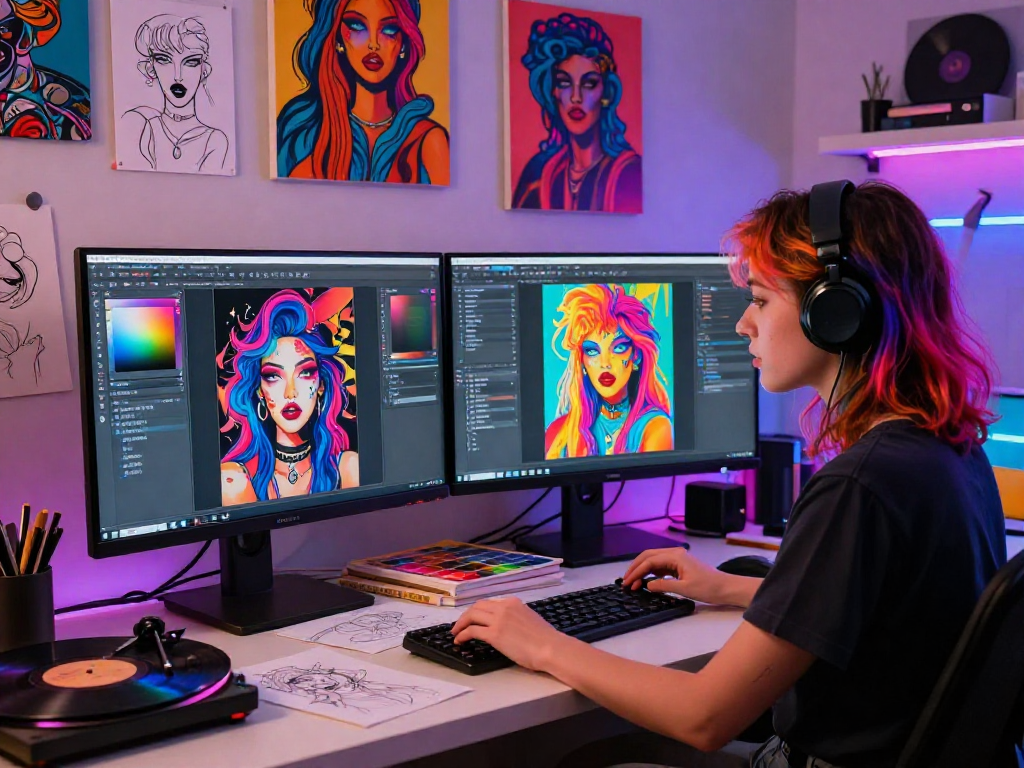
Graphic design has been one of the first fields to embrace hot AI, with tools like Adobe Sensei and Canva utilizing machine learning to enhance user experiences. These platforms can automatically suggest design elements, color palettes, and layout adjustments, helping designers focus on their creative vision while reducing time spent on technical tasks. Moreover, AI-generated designs enable rapid prototyping, allowing for quick iterations based on user feedback.
Revolutionizing Content Creation with Hot AI
Content creation has also been revolutionized through hot AI applications. AI writers and content generators can produce articles, marketing copy, and even scripts that resonate with target audiences. This technology can analyze trending topics, SEO metrics, and audience engagement data to create tailored content that drives traffic and engagement. As a result, content creators can focus on strategy and creativity rather than getting bogged down by the writing process.
Case Studies: Successful Hot AI Implementations
Several companies have successfully integrated hot AI into their operations, yielding impressive results. For instance, the fashion retailer Stitch Fix employs machine learning algorithms to curate personalized clothing selections for customers, enhancing the shopping experience and boosting sales. Similarly, the music industry has leveraged AI to compose music tracks that reflect current trends, catering to listeners' preferences while providing artists with new collaborative possibilities.
Challenges and Opportunities in Using Hot AI
While the benefits of hot AI are clear, challenges remain that organizations must navigate to fully harness its potential.
Overcoming Resistance to AI in the Creative Process
One of the significant hurdles in adopting hot AI technologies is resistance from creatives who fear losing their jobs or creative control. Educating teams about the capabilities of AI and emphasizing its role as a tool rather than a replacement can mitigate these concerns. By showcasing successful case studies and encouraging experimentation, organizations can foster a culture open to embracing AI.
Balancing Human Creativity with AI Capabilities
Finding the right balance between human creativity and AI capabilities is vital. While hot AI can handle repetitive tasks and suggest data-driven designs, the human touch remains essential for imparting emotional depth and originality. Establishing collaborative practices where AI assists in the creative process rather than dominating it can lead to powerful outcomes.
Future-Proofing Careers in an AI-Driven World
As AI continues to evolve, individuals in creative fields must adapt to remain relevant. Upskilling in AI tools, understanding data analytics, and learning how to collaborate with AI can position creatives favorably in the job market. Embracing a growth mindset and being open to continuous learning will be critical for career longevity in an AI-enhanced environment.
Best Practices for Integrating Hot AI into Workflow
To maximize the benefits of hot AI, organizations should adopt strategic approaches to integrate these technologies into their workflows effectively.
Step-by-Step Guide to Adopting AI Tools
When implementing AI tools, start by assessing your team's needs and identifying which AI solutions align with your creative objectives. Begin with pilot projects to test the capabilities of selected tools before scaling them across the organization. Providing training and resources ensures all team members feel confident using new technologies.
Measuring Success: Key Metrics for AI Projects
Establishing clear metrics is essential to evaluate the effectiveness of AI tools. Metrics could include productivity gains, time savings, engagement rates, and quality of output. Regularly reviewing these metrics allows teams to adjust strategies and optimize their use of hot AI technologies.
Collaboration Tips for Human-AI Teams
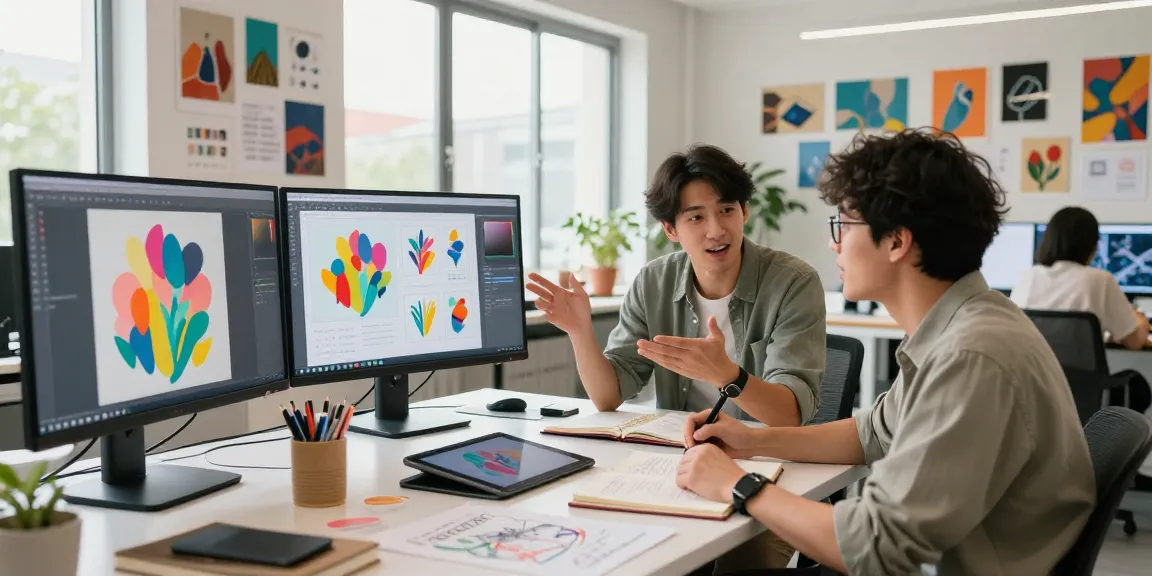
Collaborating effectively with AI requires clear communication and defined roles. Creatives should view AI as a partner that can handle certain aspects of the workflow while they focus on high-level decision-making and strategic planning. Encouraging open dialogue about how AI can best support human creativity will foster a more harmonious working relationship.
Future Trends and Predictions for Hot AI in 2026
As we look ahead to 2026, the role of hot AI in creative industries will undoubtedly expand, influencing how we think about art and design.
What to Expect from AI Innovations in Creative Fields
We can anticipate even more sophisticated AI tools that offer greater customization and adaptability. Developments in natural language processing and machine learning will enable AI to create more nuanced content that closely aligns with human emotions and preferences. This evolution will enhance user experiences and drive deeper engagement.
Emerging Technologies and Their Impact on Design
Emerging technologies like augmented reality (AR) and virtual reality (VR) are set to intersect with hot AI, creating immersive creative experiences. Designers will leverage AI to develop interactive environments that respond to user input in real time, opening new avenues for storytelling and engagement. The combination of these technologies will reshape how audiences interact with and perceive design.
Preparing for an AI-Enhanced Creative Future
To thrive in an AI-enhanced future, individuals and organizations must remain agile and adaptable. Continuous learning, embracing change, and fostering innovation will be essential. By integrating hot AI thoughtfully and strategically into creative workflows, professionals can unlock new levels of creativity and productivity.
What is Hot AI?
Hot AI represents the latest advancements in AI technology tailored for creative endeavors, offering opportunities to enhance artistic output across multiple industries.
How Can Hot AI Improve Artistic Output?
By automating repetitive tasks and providing data-driven insights, hot AI tools allow artists to focus on their creative process, ultimately improving the quality and efficiency of their work.
What are the Risks of Relying on AI in Creative Work?
While hot AI offers numerous advantages, over-reliance could stifle originality and lead to homogenized content. It's crucial to maintain a balance between human creativity and AI assistance.
Can AI Replace Human Creatives?
AI cannot replace human creativity; rather, it serves as a tool that enhances the creative process, allowing for collaboration that combines the strengths of both AI and human artists.
How Do I Start Using Hot AI Tools?
Begin by researching available hot AI tools, assessing their capabilities against your creative needs, and experimenting with pilot projects to determine their effectiveness within your workflow.